
5 Myths About Senior Care Debunked: The Truth About PACE Programs
When people think about senior care, they often picture nursing homes, assisted living communities, or home health visits that feel fragmented and impersonal. These assumptions can create hesitation, confusion, and even fear, especially for older adults who want to remain independent and for families trying to find the right support.
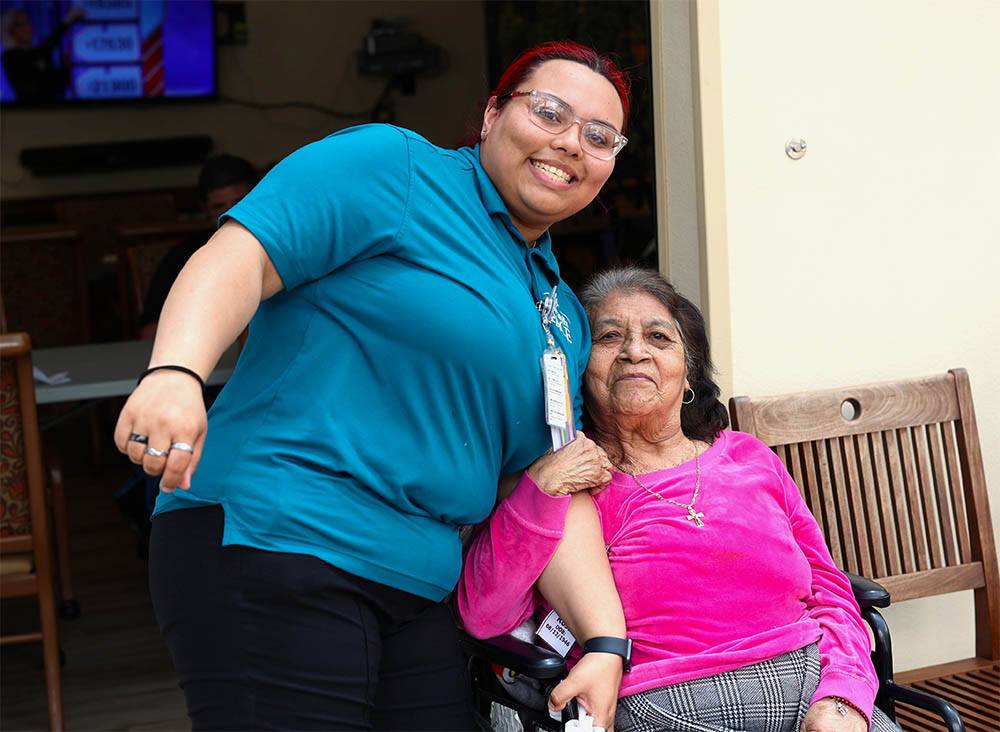
Programs of All-Inclusive Care for the Elderly, known as PACE, offer a different approach to senior care, yet many myths persist about what PACE is and who it serves. Understanding the truth behind these misconceptions can help seniors and their families make informed, confident decisions about care.
Myth 1: Senior Care Always Means Giving Up Independence
One of the most common fears among older adults is that enrolling in a senior care program means losing independence. Many people believe care services will limit personal choice or require moving out of their home.
PACE programs are designed to support independence, not take it away. Participants continue living in their own homes while receiving coordinated medical care, social services, and daily support. The goal is to help seniors remain safe in the community for as long as possible, with the resources they need to thrive.
At St. Paul’s PACE, care plans are personalized and centered on each participant’s routines, and goals. This approach empowers seniors to maintain control over their daily lives while knowing help is available when needed.
Myth 2: PACE Is Only for People Who Are Very Ill
Some families assume PACE is only appropriate for individuals with severe medical conditions or advanced decline. This belief can delay enrollment until health challenges become overwhelming.
PACE serves adults age 55 and older who qualify for higher levels of care, but many participants join while they are still active and engaged. Early enrollment can actually help prevent health crises, hospitalizations, and rapid decline by addressing medical, emotional, and social needs proactively.
PACE focuses on whole-person care, including preventive services, chronic condition management, rehabilitation, and behavioral health support. This comprehensive approach often helps participants maintain stability and quality of life longer than fragmented care models.
Myth 3: Senior Care Is Only About Medical Appointments
Traditional senior care is often viewed as a series of disconnected doctor visits, prescriptions, and medical instructions. This narrow view overlooks the emotional, social, and functional aspects of healthy aging.
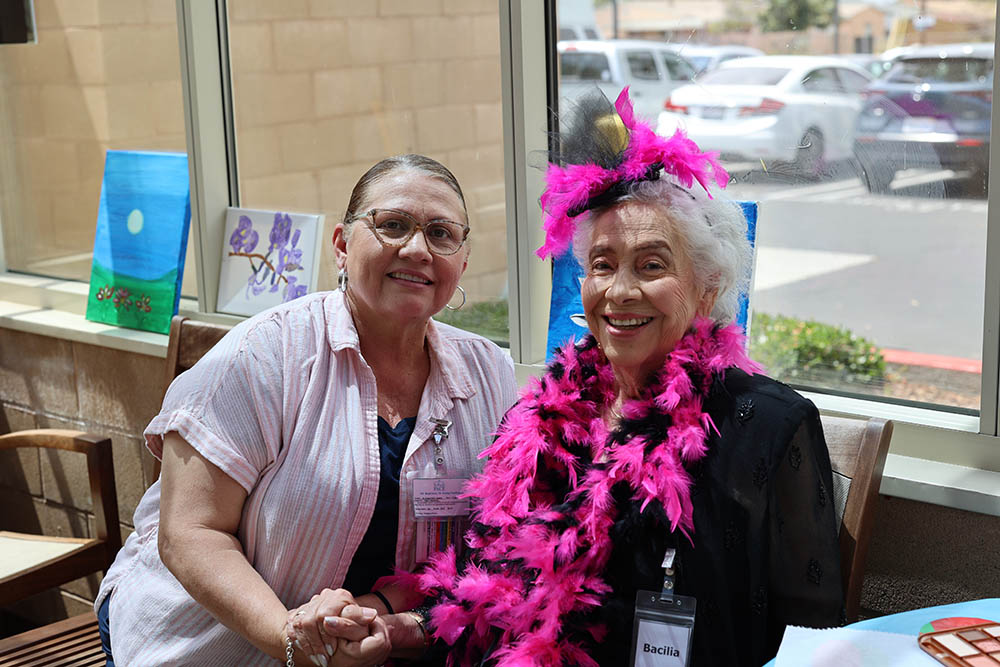
PACE programs address the full spectrum of well-being. In addition to primary care and specialty services, participants receive access to:
• Adult day health centers with meals and social activities
• Physical, occupational, and speech therapy
• Behavioral health and emotional support
• Transportation to appointments and PACE centers
• Social work services and caregiver support
This integrated model recognizes that emotional connection, social engagement, and daily routines play a critical role in overall health.
Myth 4: Families Lose Involvement Once Care Begins
Many adult children worry that enrolling a loved one in a senior care program means they will be pushed aside or left out of important decisions.
PACE programs actively involve families and caregivers. Care teams collaborate with participants and their loved ones to create and adjust care plans, ensuring communication remains open and transparent.
Myth 5: PACE Is Too Complicated or Too Expensive
The healthcare system can feel overwhelming, and some people assume PACE enrollment is complicated or financially out of reach.
PACE simplifies care by bringing services together under one coordinated program. For participants who qualify for Medi-Cal, PACE services are typically provided at little to no cost. There are no copays for approved services, medications, or transportation.
Instead of juggling multiple providers, appointments, and bills, participants work with one integrated care team. This streamlined model reduces confusion, improves care coordination, and offers peace of mind for both seniors and families.
Why Understanding the Truth Matters
Beliefs about senior care influence when and how people seek support. When myths delay action, seniors may miss opportunities for preventive care, social engagement, and coordinated services that improve quality of life. Learning the truth about PACE programs allows families to plan with clarity rather than crisis.
PACE is not about giving up. It is about gaining support, stability, and a care team that sees the whole person.
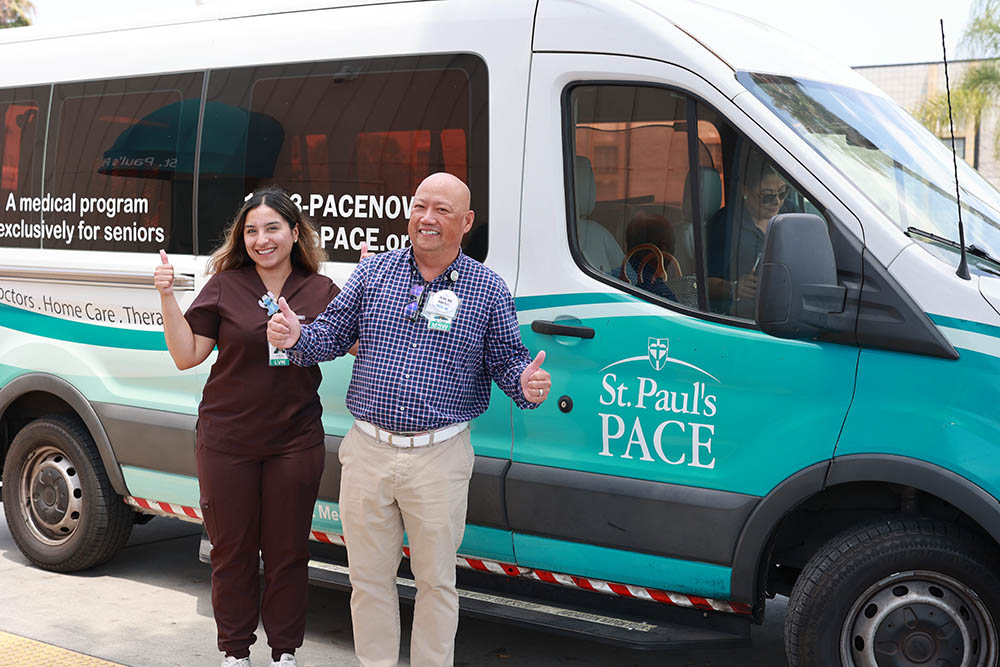
A Supportive Path Forward with St. Paul’s PACE
At St. Paul’s PACE, we believe aging should be met with dignity, compassion, and choice. Our program is designed to support older adults who want to remain independent while receiving comprehensive care tailored to their unique needs. From medical services to emotional and social support, our interdisciplinary team works together to help participants live safely and confidently in the community they call home.
Choosing senior care is a meaningful decision, and understanding your options is the first step. By debunking common myths and highlighting the reality of PACE programs, we hope families feel empowered to explore a model of care that prioritizes connection, coordination, and quality of life.
If you or someone you love is considering senior care, St. Paul’s PACE is here to provide guidance, answers, and compassionate support every step of the way.
Last updated on January 1