Dietary: How Nutrition Can Indicate Your Health

For many seniors, nutrition has become one of the best ways to keep track of overall health. What you eat helps support your strength, balance, and immune system. It can also help your care team notice changes early, so small concerns do not turn into bigger health problems. Changes in appetite, weight, or energy can sometimes be the first sign that something in the body needs attention.
Your Appetite Can Tell a Story
Many people notice their eating habits change as they age. Maybe you are not as hungry as you used to be. Maybe cooking feels harder than it once did. Sometimes food just does not taste the same.
These changes can happen for many reasons. Medication can affect appetite. Dental conditions can make chewing uncomfortable. Feeling lonely or sad can also make it harder to enjoy meals.
Paying attention to these changes is important. If you start eating less or losing weight without trying, it can be a sign that your body needs extra support.

Food Helps Keep Your Strength
One of the most important things food does is help you stay strong. As we age, our bodies naturally lose muscle. That is why protein is so important.
Protein helps maintain muscle and energy. It also helps your body heal and fight illness. Foods like eggs, fish, chicken, beans, yogurt, and nuts can all help support your strength.
Staying hydrated matters too, many seniors do not feel thirsty as often as they used to. Drinking enough water throughout the day helps prevent fatigue, confusion, and other health issues.
The Right Nutrition Supports Your Health Conditions
Many seniors live with conditions like diabetes, heart disease, or high blood pressure. The foods you eat can help manage these conditions and support your overall health.
A healthy eating plan may focus on balanced meals, enough protein, and the right nutrients to support your body. Small changes in food choices can sometimes make a big difference in how you feel day to day.
Nutrition Is Also About Enjoying Life
Food is not only about health. it is also about comfort and connection. Sharing meals with others can make eating more enjoyable and help you stay consistent with healthy habits.
When you feel well nourished, you often have more energy to spend time with loved ones, stay active, and do the things you enjoy.
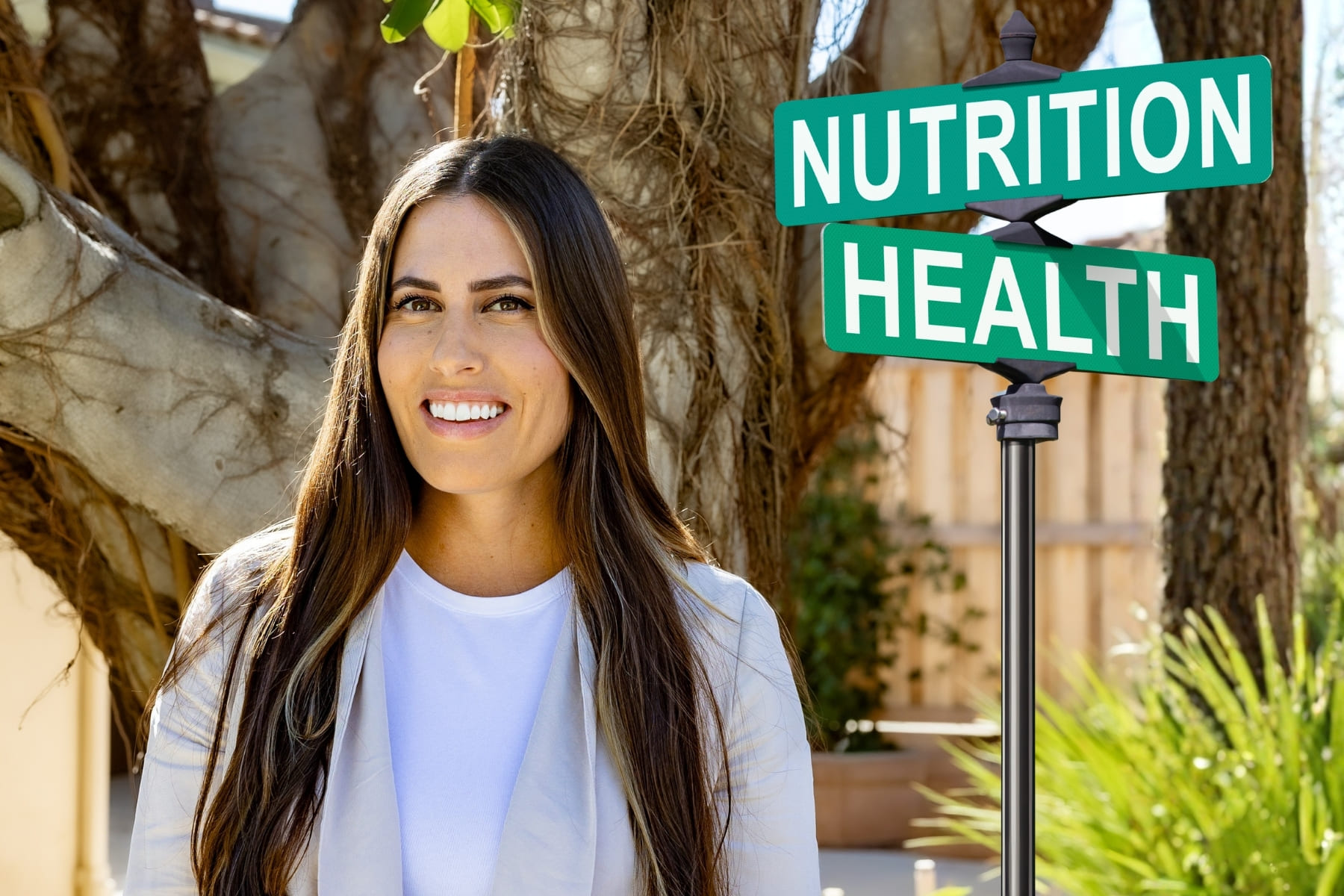
St. Paul’s PACE Registered Dietitian – Kristina Cox
How St. Paul’s PACE Supports Your Nutrition
At St. Paul’s PACE, nutrition is an important part of caring for each participant. Registered dietitians work with seniors to understand their health needs and their favorite foods.
They monitor weight, appetite, and overall nutrition to make sure participants are getting what their bodies need. If something changes, the care team can adjust meals and nutrition plans to better support your health.
This kind of support helps catch concerns early and keeps seniors feeling stronger and more confident in their daily lives. Monitoring a senior’s diet is one way to keep them out of the hospital and living safely in their home.
Good nutrition is one of the simplest ways to care for your health. The right foods can help you stay strong, stay independent, and continue living the life you enjoy.
If you or someone you love is considering senior care, St. Paul’s PACE is here to provide guidance, answers, and compassionate support every step of the way.
Last updated on March 16