
Occupational Therapy: Supporting Seniors at Home
Aging comes with challenges, that is why it is important to keep comfort wherever possible. Over time, comfort can be harder to find. Getting dressed might take longer than it used to. Cooking can feel less steady. Even walking from one room to another can come with a bit more risk. That is where occupational therapy becomes part of the conversation.
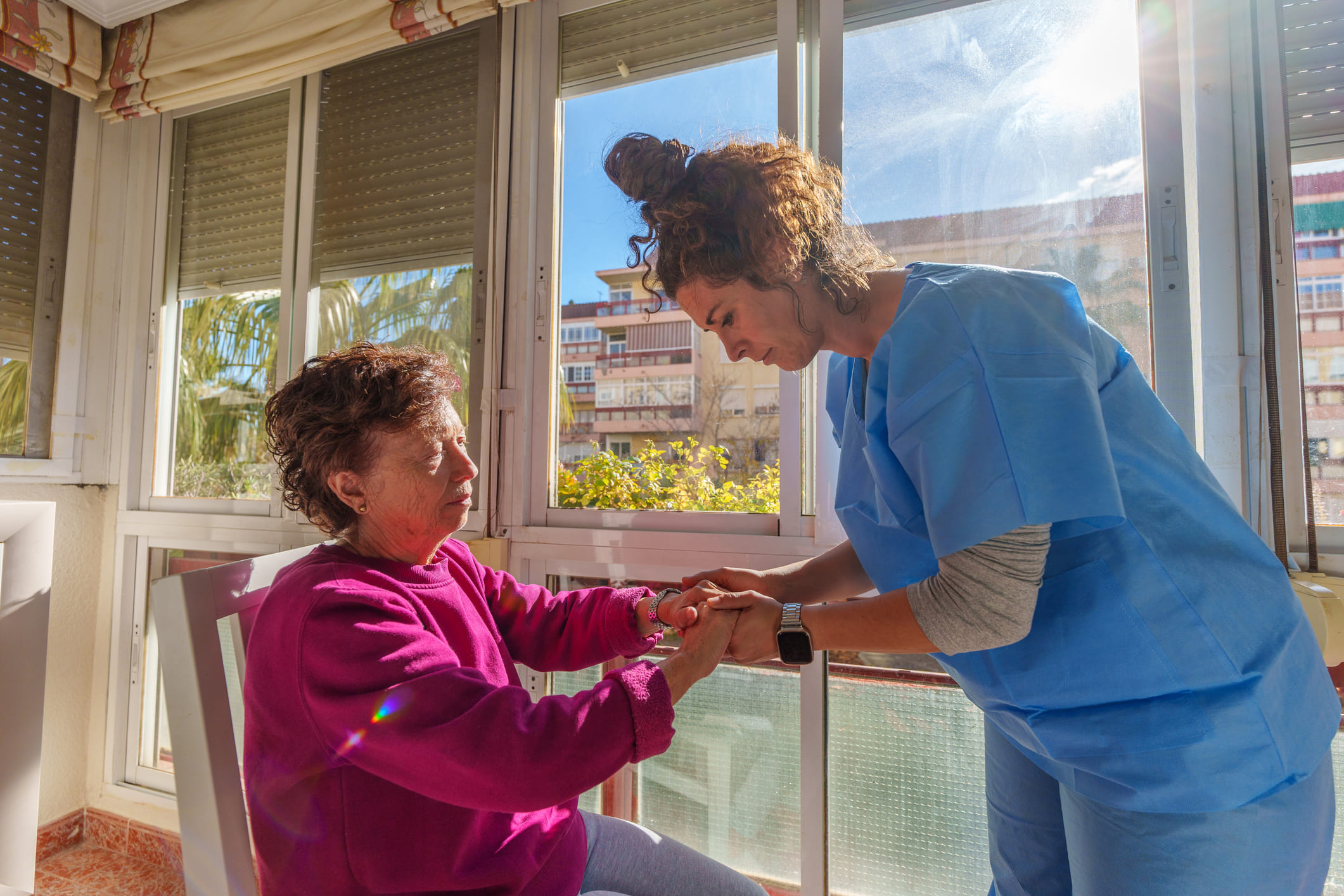
What Occupational Therapy Looks Like Day to Day
Occupational therapy is not about big, complicated routines. It focuses on the small parts of the day that add up to maintaining independence. Things like getting out of bed, brushing your teeth, making breakfast, or stepping into the shower.
An occupational therapist watches how those small movements are being done. They look for hesitation in movement or a task that feels unsafe. Then they work with the person to find a better way to do it.
Sometimes that means practicing a movement until it feels steady again. Sometimes it means slowing down a task and breaking it into steps. In other cases, it might mean adding a simple tool or adjusting the setup of a room, so everything is easier to reach.
The goal is not to change a person’s routine. It is to help them keep it.
Why Seniors Use Occupational Therapy
A lot of people are introduced to occupational therapy after something changes. It could be a fall. It could be time in the hospital. It could be a gradual shift where everyday tasks just don’t feel as easy as it once did.
That change can be frustrating. It can also affect confidence. When something simple starts to feel uncertain, it is easy to pull back from doing it at all.
Occupational therapy helps rebuild that confidence. It gives people a way to practice again in a setting that feels safe. Over time, those small improvements make daily life more manageable.
In the video below, you can see how therapists guide participants through exercises that mimic daily life. They stay focused on what the person needs in front of them. There is no rush. Steady progress leads to staying independent.
How It Comes Together at St. Paul’s PACE
At St. Paul’s PACE, occupational therapy is part of a larger rehabilitation program. Participants also have access to physical therapy, and both are built into a care plan that is shared across the full team.
That means therapists are not working in isolation. They are in regular contact with doctors, nurses, and other staff. Everyone is working toward the same goal, which is helping each participant stay as independent as possible.
For seniors who want to remain at home, that kind of support can make a real difference. Care is easier to follow when it is all connected. It also means fewer gaps and fewer things to manage alone.
Keeping Everyday Life Within Reach
The work shown in the video is simple on the surface. The exercises seem like games, hitting a balloon, placing cones in stacks. As fun as these seem and are, they are also the exercises that can help a senior stay independent.
Occupational therapists spend their time in those spaces. They help people move through them with more ease and more confidence. Over time, that steady support helps seniors hold on to the routines that matter most.
St. Paul’s Program of All-Inclusive Care for the Elderly (PACE) is a managed healthcare plan exclusively for low-income seniors ages 55+ who have chronic conditions that make it difficult to live independently at home. If you or someone you know is interested in learning more about our program, submit a free evaluation here or call 1-833-PACENOW to speak with an Enrollment Coordinator today.
In addition to occupational therapy, St. Paul’s PACE offers integrated physical therapy for seniors designed to improve strength, balance, and mobility—helping participants maintain independence and reduce the risk of falls at home.
Last updated on September 12