
Social Work: Why It Matters for Seniors and Their Families

When people think about senior care, they often picture nurses, doctors, and caregivers helping with daily needs. What is sometimes overlooked is the invaluable role social workers play in supporting older adults and their families.
Social workers are trained to see the full picture of a person’s life; not just their medical needs, but their emotional wellbeing, social connections, and access to community resources.
How Social Workers Support Seniors and Families

At the heart of comprehensive senior care models like St. Paul’s PACE, social workers are essential members of the interdisciplinary care team. They help seniors and their loved ones navigate healthcare systems, understand complex paperwork, and plan for the future.
These services help seniors live happier, healthier lives and give families peace of mind knowing someone is there to support them through challenges big and small.
Social workers in senior care bring a wide range of valuable assistance, including:
- Helping seniors and families understand how programs like St. Paul’s PACE work and how to access services.
- Navigating complex systems such as Social Security, Supplemental Security Income, Disability, and Medi‑Cal.
- Providing support for mental health concerns, including counseling and linkage to behavioral health services.
- Assisting with paperwork, home management, and ensuring daily needs are met so seniors can live safely in their homes.
These services work together to create a safety net for seniors, so they don’t have to manage these challenges alone.
Ruby’s Story: From CNA to Social Worker
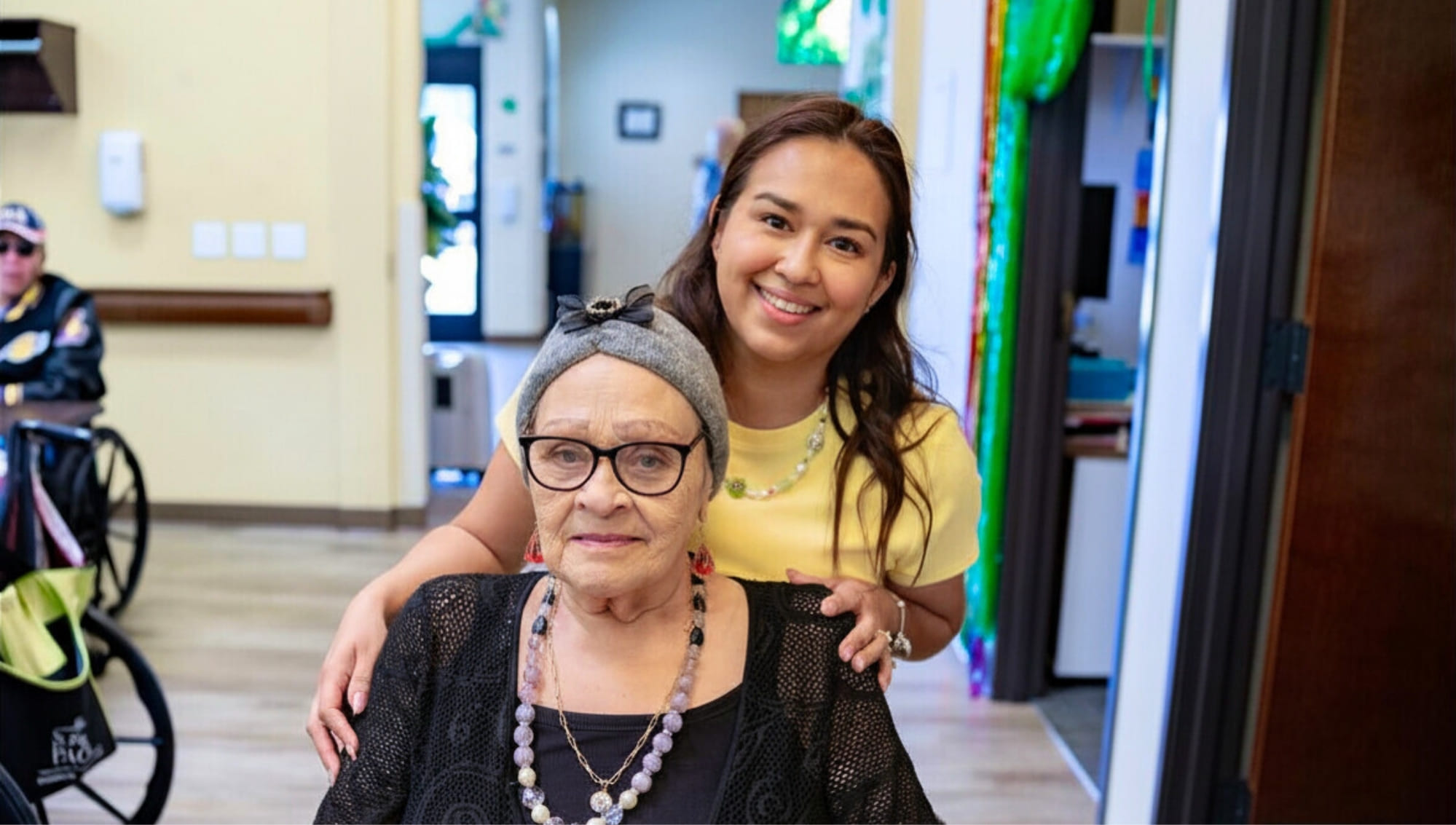
Ruby’s journey in senior care is a powerful example of the impact that compassion, determination, and support can make. When she first started at St. Paul’s, she worked as a Certified Nursing Assistant (CNA), helping participants with daily care tasks and building meaningful relationships with them. After three years, she realized she wanted to do even more to support older adults, emotionally and socially.
Motivated by her love for working with seniors, Ruby decided to pursue a Bachelor of Social Work (BSW). Her colleagues and leadership at St. Paul’s PACE encouraged her every step of the way. She continued working while going to school, and she even completed her social work internship at the same center where she had started her career.
Today, Ruby is a licensed social worker with a BSW, and she is now on her way toward earning her master’s degree in social work. She views her role as a privilege,
“To feel that support, not just from the social workers, but from the interdisciplinary team. That’s what makes St. Paul’s PACE special.”
an opportunity to help older adults, a population she calls “vulnerable but resilient,” navigate life challenges with dignity. She feels fortunate not only to have a job she loves, but to be part of an interdisciplinary team that works together to support each participant’s physical, emotional, and social needs.
For Ruby, one of the biggest benefits for seniors who are enrolled in the PACE program, is that they aren’t relying on just one professional to look out for them. Instead, they have a full team; doctors, nurses, therapists, nutritionists, and social workers. Who collaborate to design and adjust a care plan that truly fits their participant’s needs.
The teamwork, and personalized care plan, reflects why Ruby chose St. Paul’s in the first place: she wanted to work in a program she would trust with her own family’s care. By supporting both seniors and their families, social workers help create a collaborative environment where everyone feels seen, heard, and supported.
St. Paul’s Program of All-Inclusive Care for the Elderly (PACE) is a managed healthcare plan exclusively for low-income seniors ages 55+ who have chronic conditions that make it difficult to live independently at home. If you or someone you know is interested in learning more about our program, submit a free evaluation here or call 1-833-PACENOW to speak with an Enrollment Coordinator today.
Last updated on March 23