
Transportation: Why It Matters for Seniors
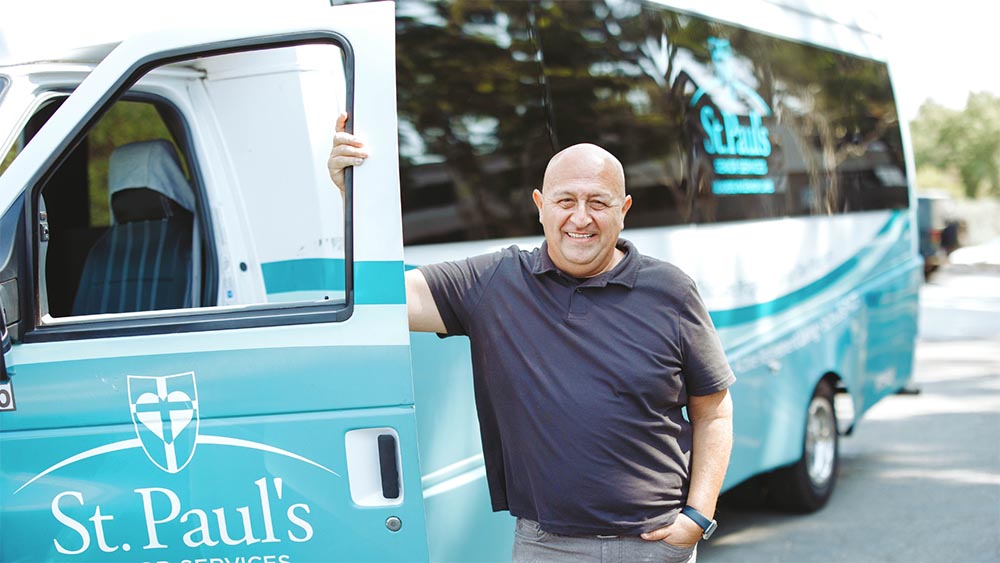
Transportation plays a major role in helping seniors access healthcare consistently. For older adults who no longer drive or who have mobility challenges, getting to medical appointments can become difficult. Missed appointments and delayed care can lead to worsening health conditions, medication complications, and unnecessary hospital visits.
Programs like St. Paul’s PACE include transportation as part of a coordinated care model to help seniors safely attend medical appointments and access healthcare services.
Why Transportation Is Important for Senior Healthcare
According to the National Institute on Aging, transportation barriers are one of the main reasons older adults miss medical appointments. Seniors may stop driving due to vision changes, medical conditions, medication side effects, or physical limitations. Public transportation may also be difficult to navigate for individuals using walkers, wheelchairs, or other mobility aids.
Reliable transportation helps seniors:
- Attend primary care and specialist appointments
- Access physical and occupational therapy services
- Pick up medications and medical equipment
- Participate in wellness and social programs
- Reduce missed or delayed healthcare visits
Transportation services are especially important for seniors managing chronic conditions such as diabetes, heart disease, arthritis, or dementia, where regular medical monitoring is necessary.
Transportation Services Through St. Paul’s PACE
At St. Paul’s PACE, transportation is integrated into the participant care plan. The program provides transportation to and from:
- Medical appointments
- PACE day centers
- Therapy appointments
- Specialty care visits
Transportation is coordinated through the care team to help participants access scheduled services safely and efficiently.
PACE transportation services are designed for older adults and may include accommodations for mobility devices and participants who require additional assistance entering or exiting vehicles.
How Transportation Supports Aging at Home
One of the primary goals of PACE programs is helping seniors remain living safely in their own homes instead of moving into institutional care settings.
Transportation supports this goal by helping participants continue accessing medical care, therapies, and support services without relying solely on family caregivers or emergency transportation options.
Without reliable transportation, seniors may be more likely to experience:
- Missed medical appointments
- Increased emergency room visits
- Medication noncompliance
- Social isolation
- Declining physical health
Consistent access to healthcare and support services can help reduce these risks and improve overall health outcomes.
Transportation as Part of Coordinated Care
Unlike standalone transportation programs, transportation at St. Paul’s PACE is connected directly to the participant’s healthcare team. This allows transportation schedules to align with medical appointments, therapies, and day center activities.
PACE programs use an interdisciplinary care model that includes doctors, nurses, therapists, social workers, and other healthcare professionals working together to coordinate participant care.
Transportation is one part of that larger system designed to help seniors access comprehensive healthcare services in a more organized and consistent way.
St. Paul’s Program of All-Inclusive Care for the Elderly (PACE) is a managed healthcare plan exclusively for low-income seniors ages 55+ who have chronic conditions that make it difficult to live independently at home. If you or someone you know is interested in learning more about our program, submit a free evaluation here or call 1-833-PACENOW to speak with an Enrollment Coordinator today.
Last updated on May 19