Understanding the Role of the Interdisciplinary Team in St. Paul’s PACE
At the heart of St. Paul’s PACE is a simple but powerful idea: seniors deserve coordinated, compassionate care that sees the whole person.
That is the foundation of the Program of All-Inclusive Care for the Elderly (PACE). Unlike traditional healthcare, where appointments, specialists, and services can feel disconnected, PACE brings everything together under one roof through an interdisciplinary team.
What Is an Interdisciplinary Team?
An interdisciplinary team is made up of professionals from different fields who work together to create one unified care plan for each participant. At St. Paul’s PACE, that may include:
Instead of working separately, these disciplines collaborate daily, sharing insights and updating care plans together. This means participants do not have to navigate the healthcare system alone. The team communicates for them and with them.
A Bridge Between Participants and Care
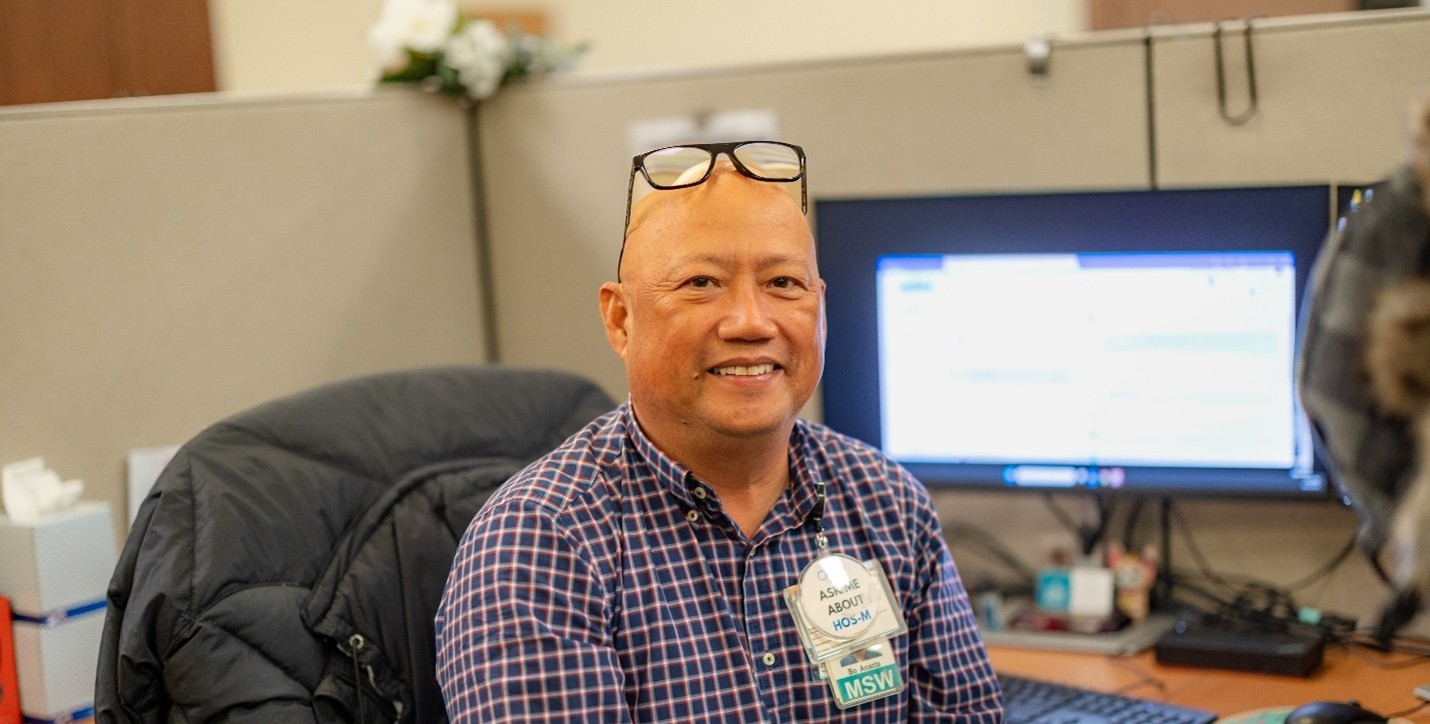
For Bouffard (“Bo”), the journey began as a volunteer at St. Paul’s Skilled Nursing facility. Today, as a social worker with PACE, he sees his role as something deeply personal.
St. Paul’s gives him the opportunity to give back and serve as a bridge between participants and the medical help they need. He treasures the trust participants place in him—especially those who do not have family members advocating for them.
Over time, Bo has gained valuable medical knowledge that helps him guide participants through complex challenges. But for him, expertise is only part of the story. His true goal is empowerment. He wants participants to understand that they are still important, still valued, and still seen.
If he had to sum up PACE in one word, it would be: humanity.
That humanity shows up in the interdisciplinary team meetings, where every voice matters and every participant’s life story is considered when building a care plan.
Care That Works Side by Side
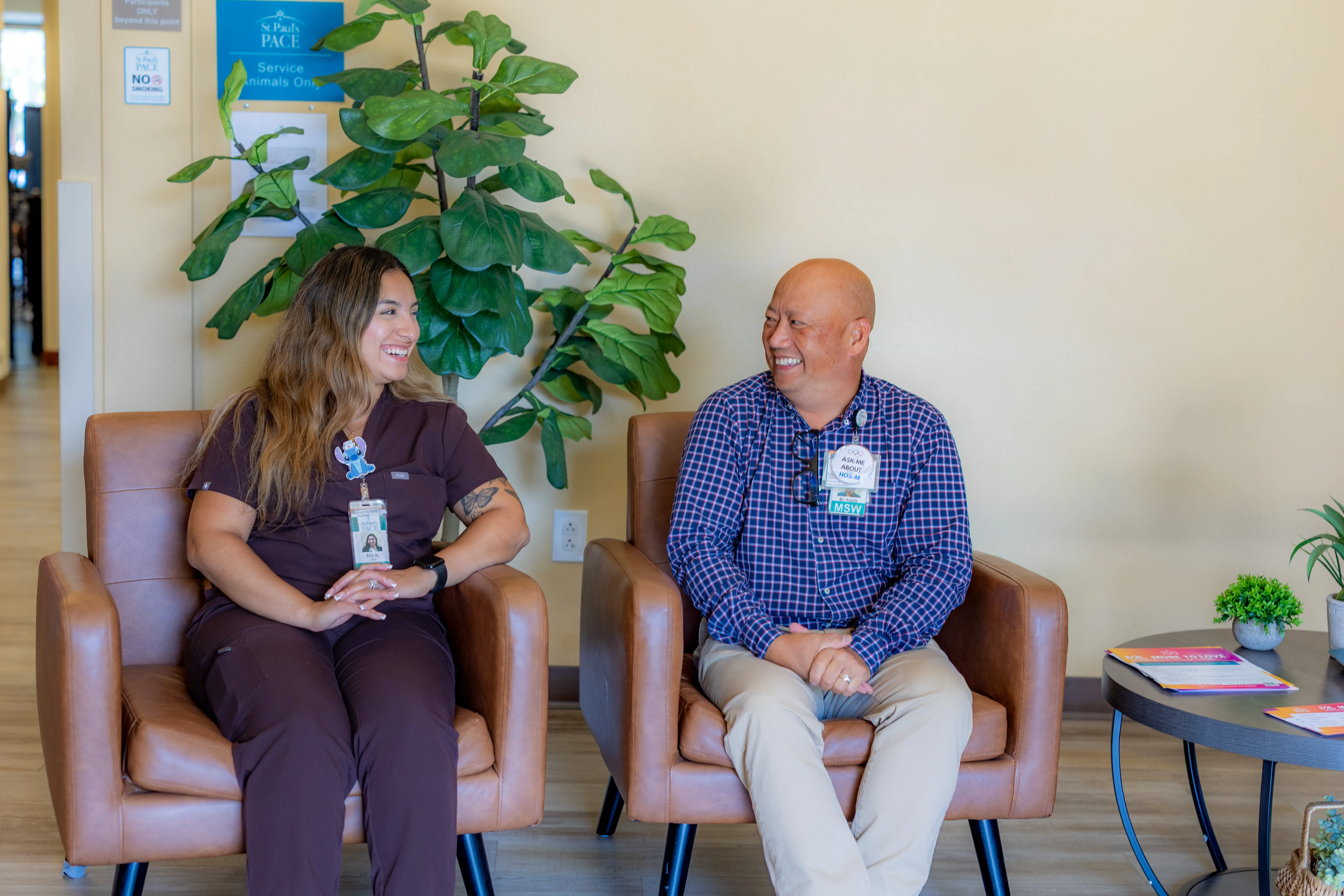
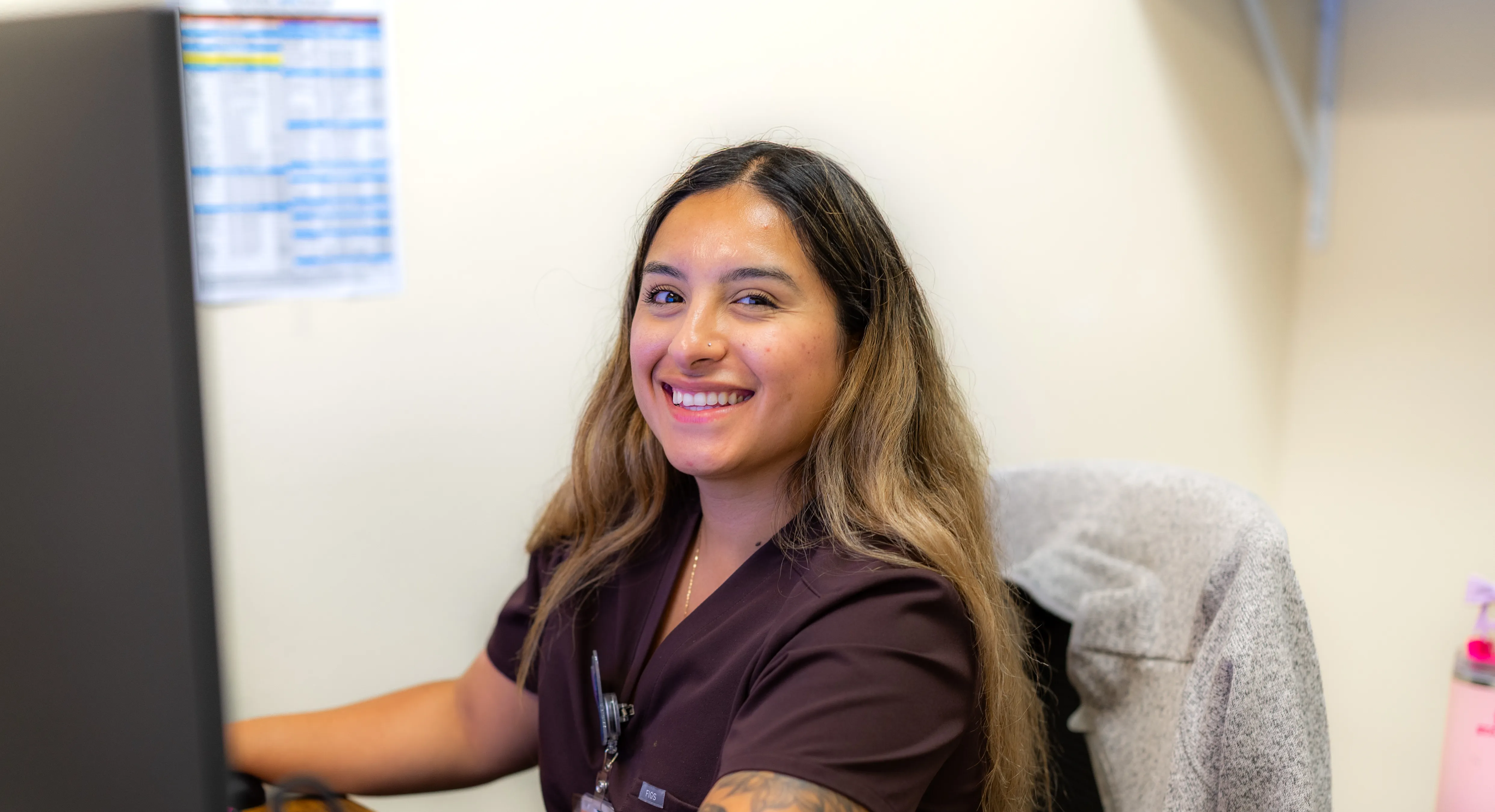
For Erin, becoming a clinic med nurse at PACE opened her eyes to a world of care she hadn’t known existed. What she loves most is the teamwork.
“All disciplines work side by side under one roof,” she shares. Social workers, care teams, transportation staff, and medical providers are all connected. That collaboration makes it easier to serve participants quickly and effectively.
Participants know they can call Erin directly, and she will be there for them. That level of accessibility builds confidence and peace of mind.
Erin often describes PACE as a “healthcare buffet.” Everything participants need; medical care, therapy, social services, medications, transportation, all available in one place. Instead of juggling multiple providers across town, participants receive coordinated care designed specifically for them.
She hopes to see programs like this expand into more counties, so even more seniors can experience the benefits of truly integrated care.
Why This Model Matters
Traditional healthcare can feel fragmented. One doctor may not know what another has prescribed. A specialist may not understand the social challenges someone faces at home. Transportation barriers can lead to missed appointments.
The PACE model changes that.
Because the interdisciplinary team meets regularly, care decisions are proactive rather than reactive. Concerns are addressed early. Adjustments are made quickly. And most importantly, participants are involved in the conversation about their own care.
More Than Medicine
The interdisciplinary team at St. Paul’s PACE does more than provide treatment. They build relationships. They listen. They advocate. They celebrate milestones and walk alongside participants through difficult seasons.
It is healthcare built around dignity.
When professionals from multiple disciplines work together with one shared purpose, something powerful happens: care becomes personal.
Last updated on April 1